

Next project


Highlights & Outcomes
5 tutorstested the dashboard
50+ versionsof the tutor profile
3,500tutor applications to vet




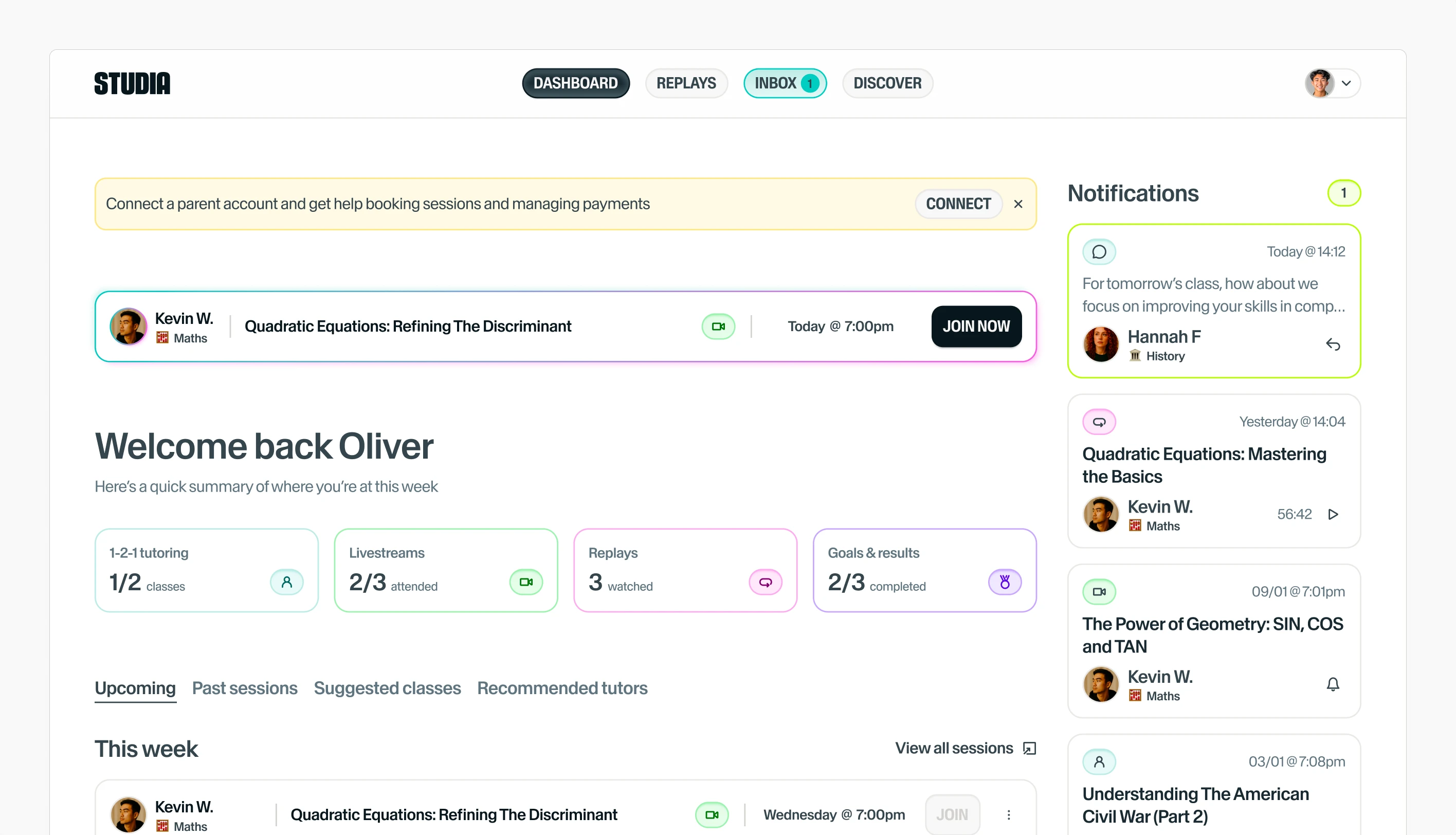
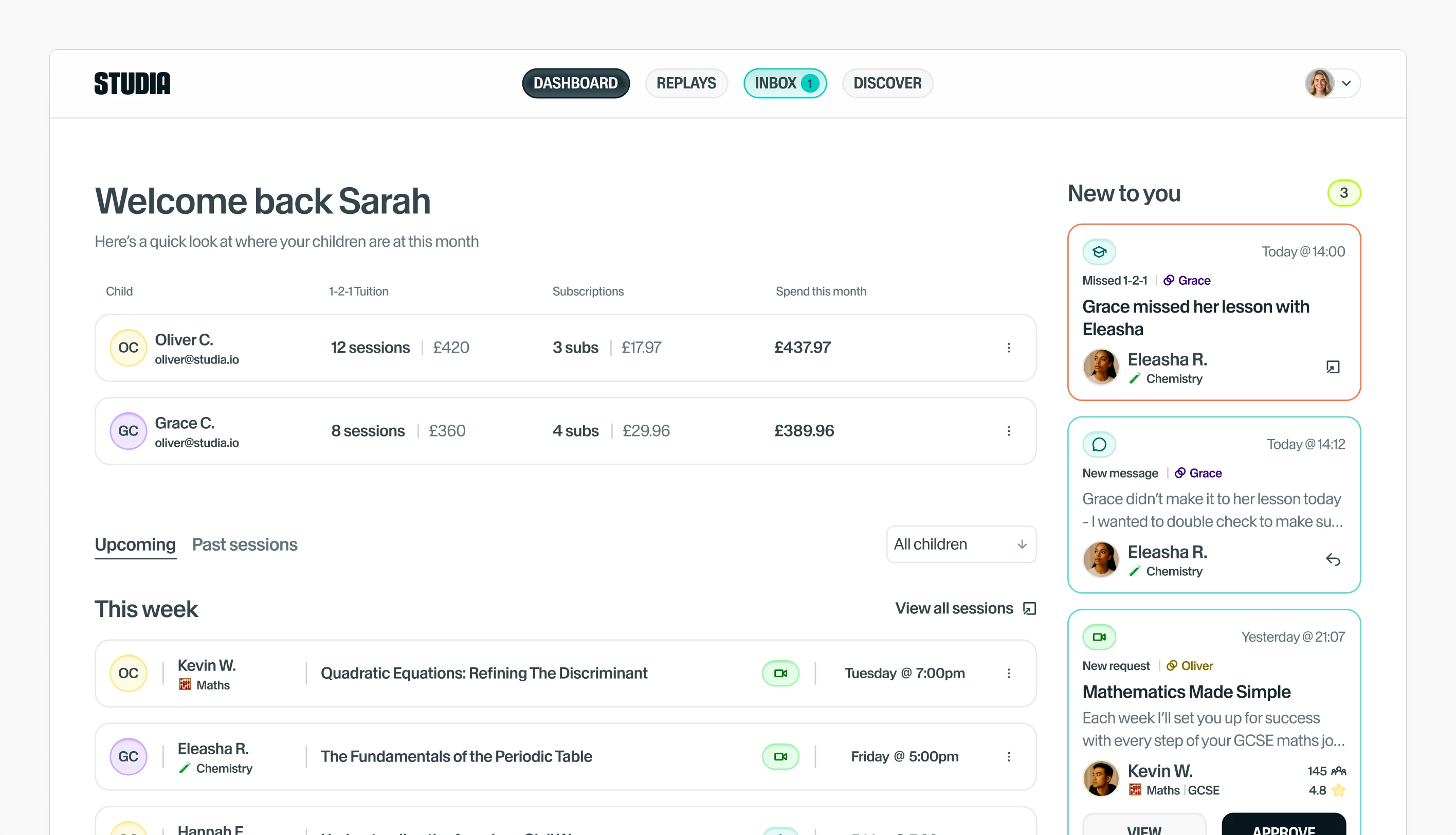
Most tutoring platforms are built for one customer. Studia had three. Tutors’ income was capped by the clock, with platforms taking 25–40% of it. Students’ learning was split across lessons, apps and videos, with nothing joining it up. Parents were paying, and wanted proof it was working.
So it couldn’t be one product with three logins. The first draft, out of Figma Make, put everything on one screen. Three rounds later, Oliver’s dashboard led with his next class and a Join button, and spend had moved to his parent, Sarah. She approves every subscription, because under-16s can’t pay for anything themselves.
Tutorsearning beyond the hour
Studentsneeding a plan
Parentspaying for proof
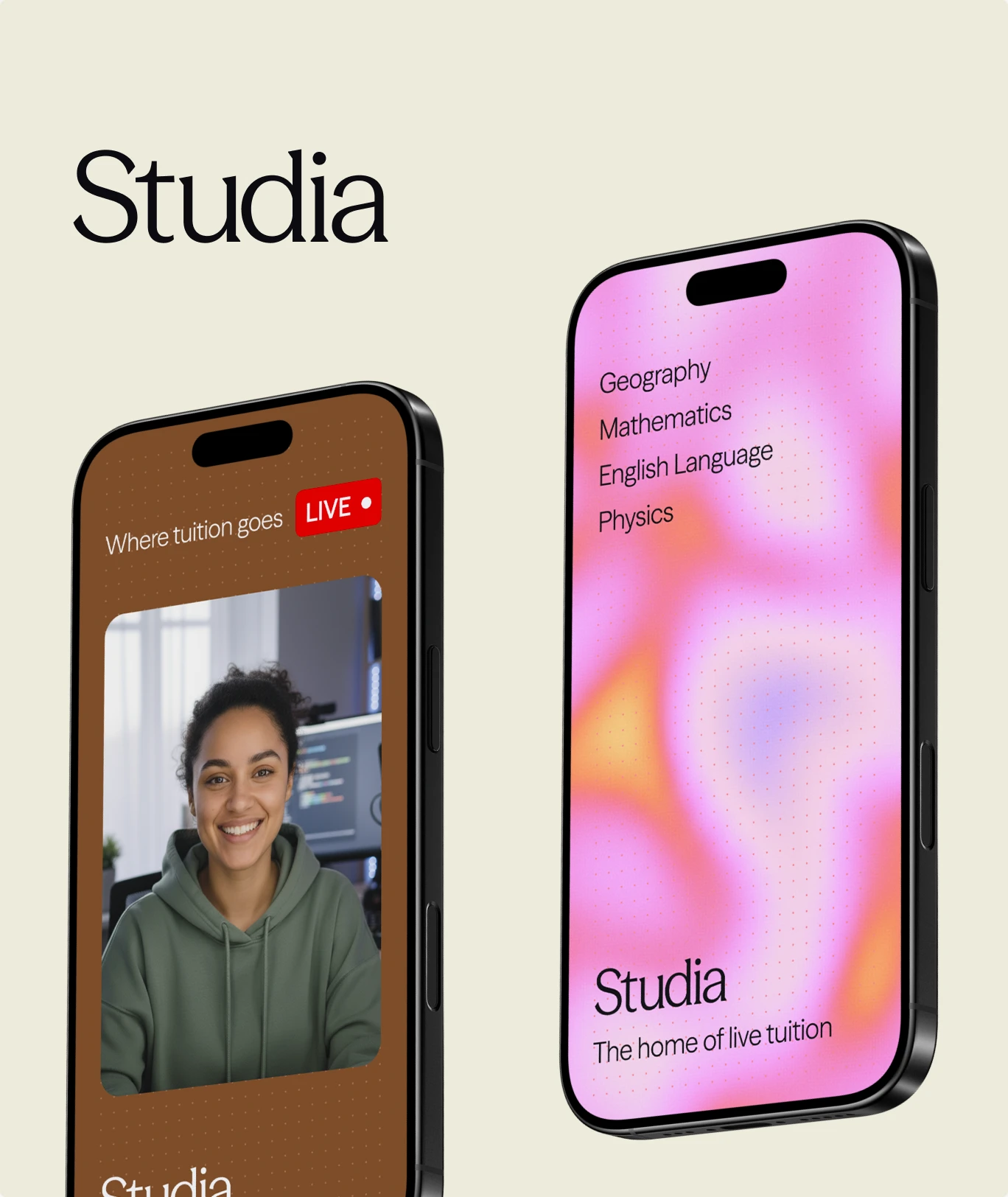
I designed the pitch deck for the raise, and explored two routes for the brand. Assured Academic led with trust: a scholastic serif and grounded colours. Creator Live led with energy: loud display type, punchy colour and live reactions.
Outcome:
We kept something from each. The brand took Creator Live’s condensed wordmark and neon. The product took Assured Academic’s calm, because parents had to trust it with their children’s education.
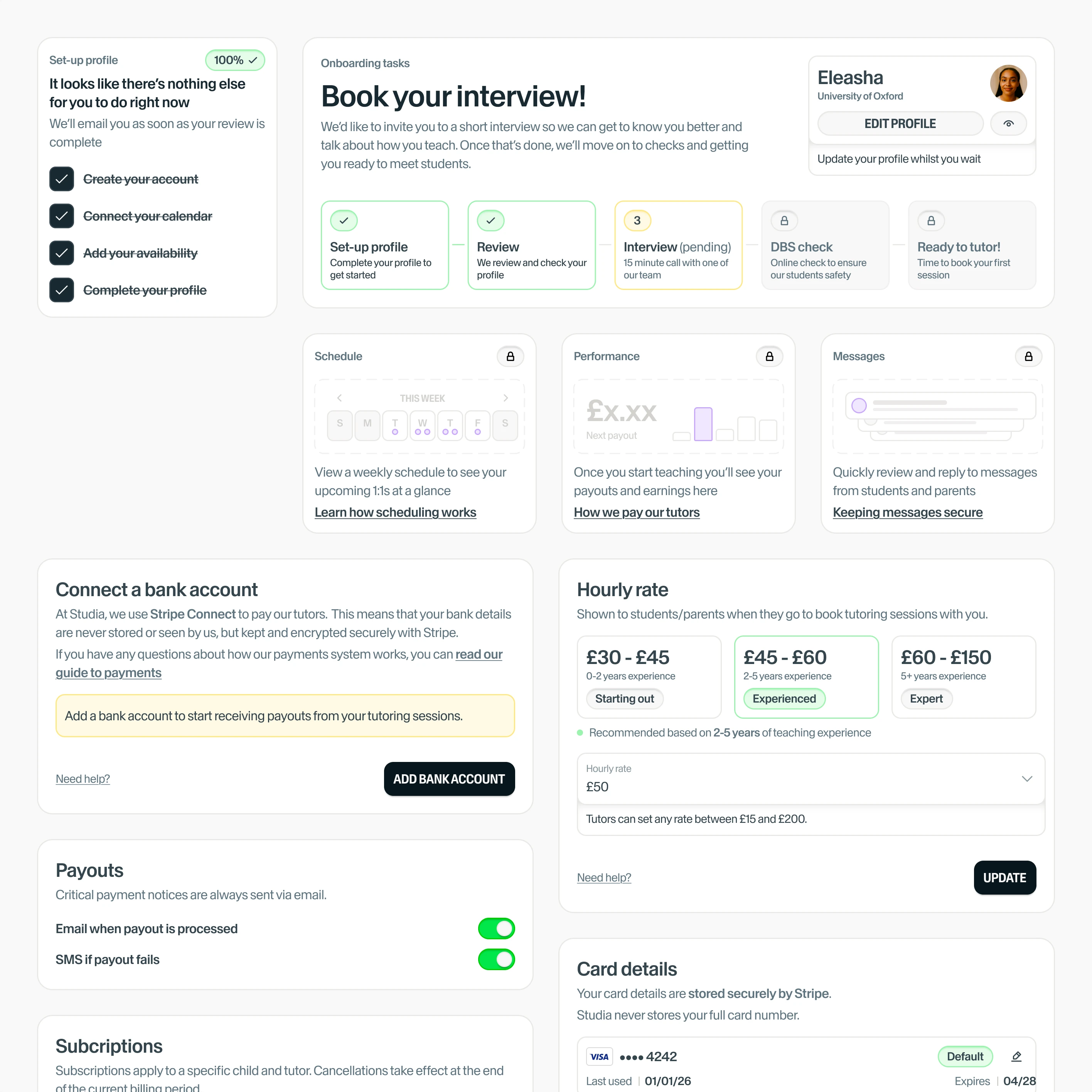
Studia had 3,500 tutor applications, and every tutor would be teaching children. So onboarding wasn’t a form. It was a vetting process: profile, review, a 15-minute interview, an enhanced DBS check, then your first lesson.
I made the dashboard the onboarding. Schedule, Performance and Messages stay locked until you’re through, and each step explains itself, from suggested rates by experience to payouts through Stripe Connect.
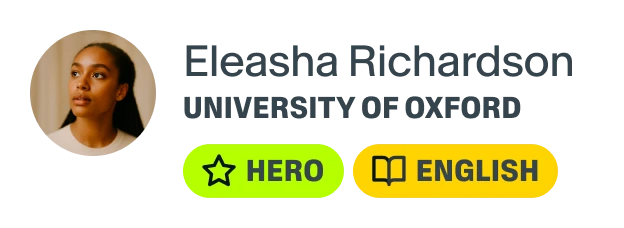
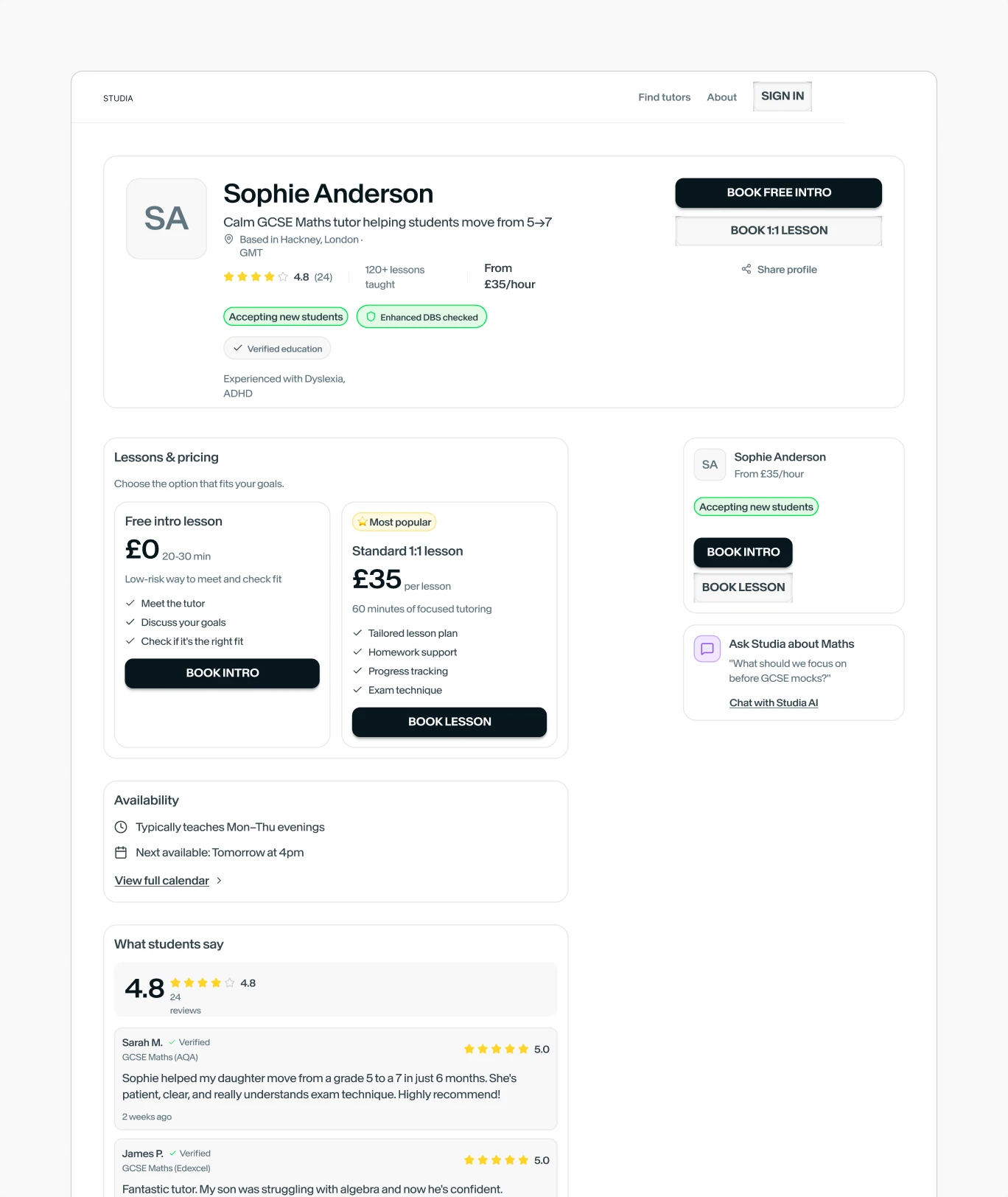
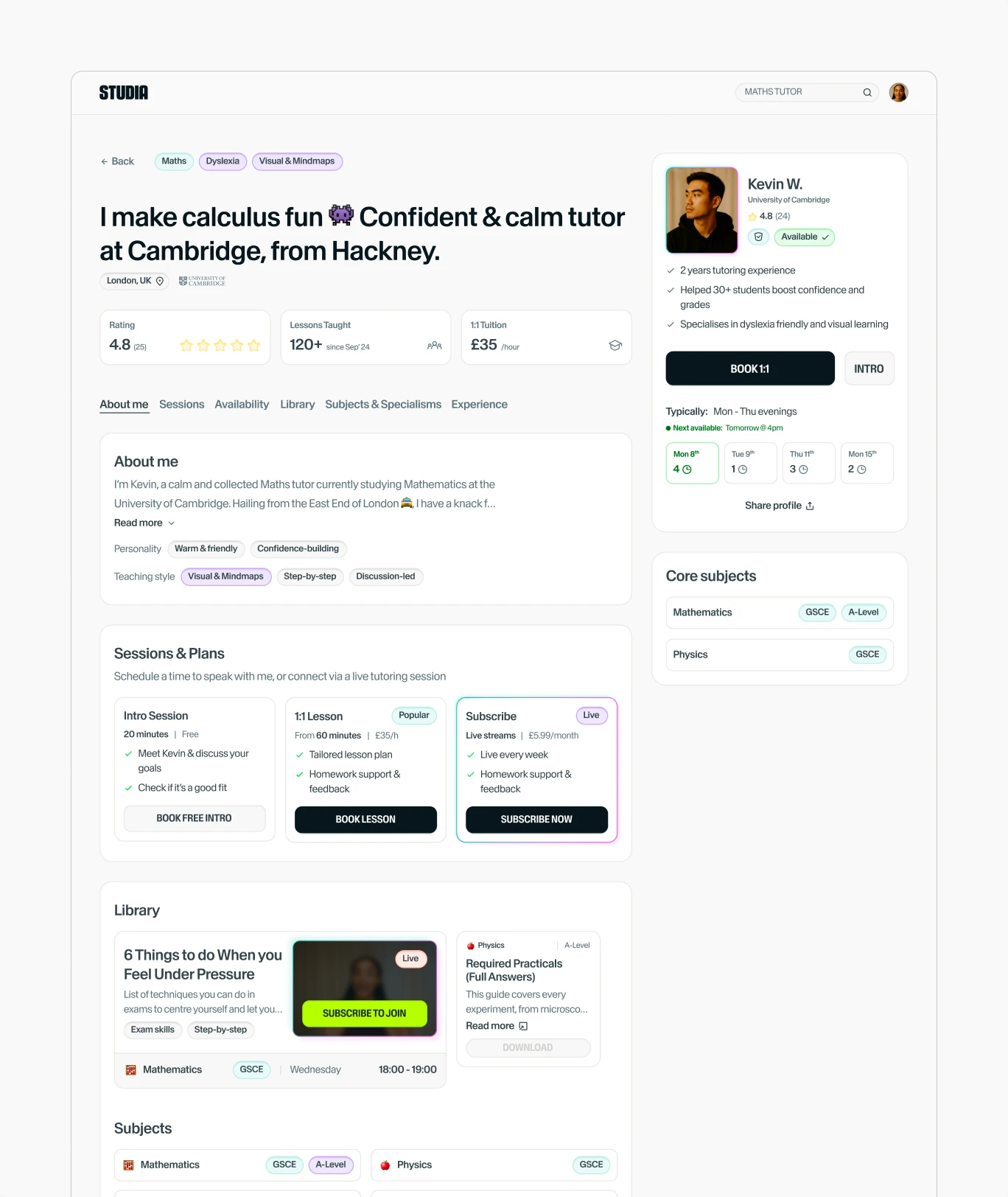
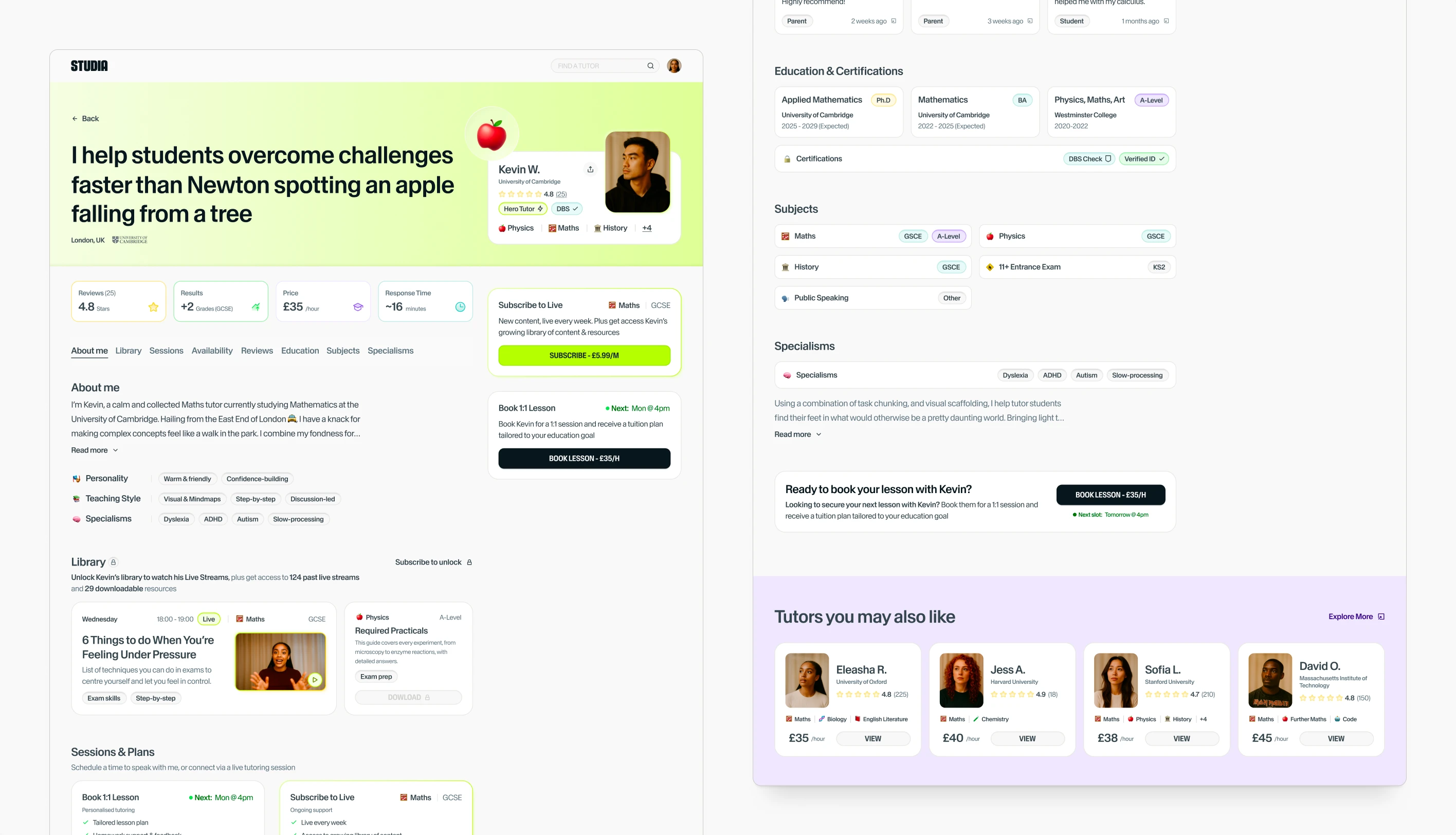
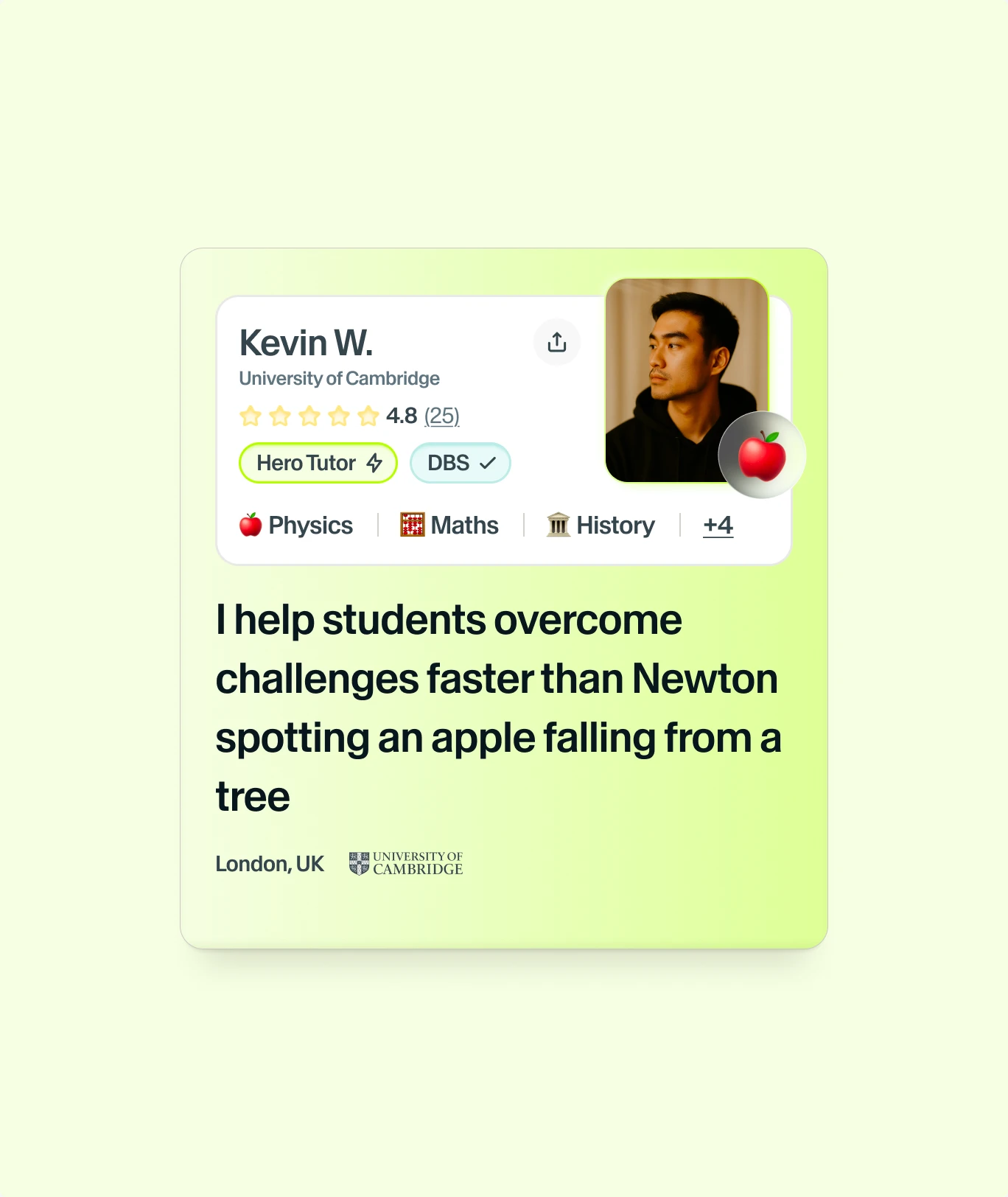
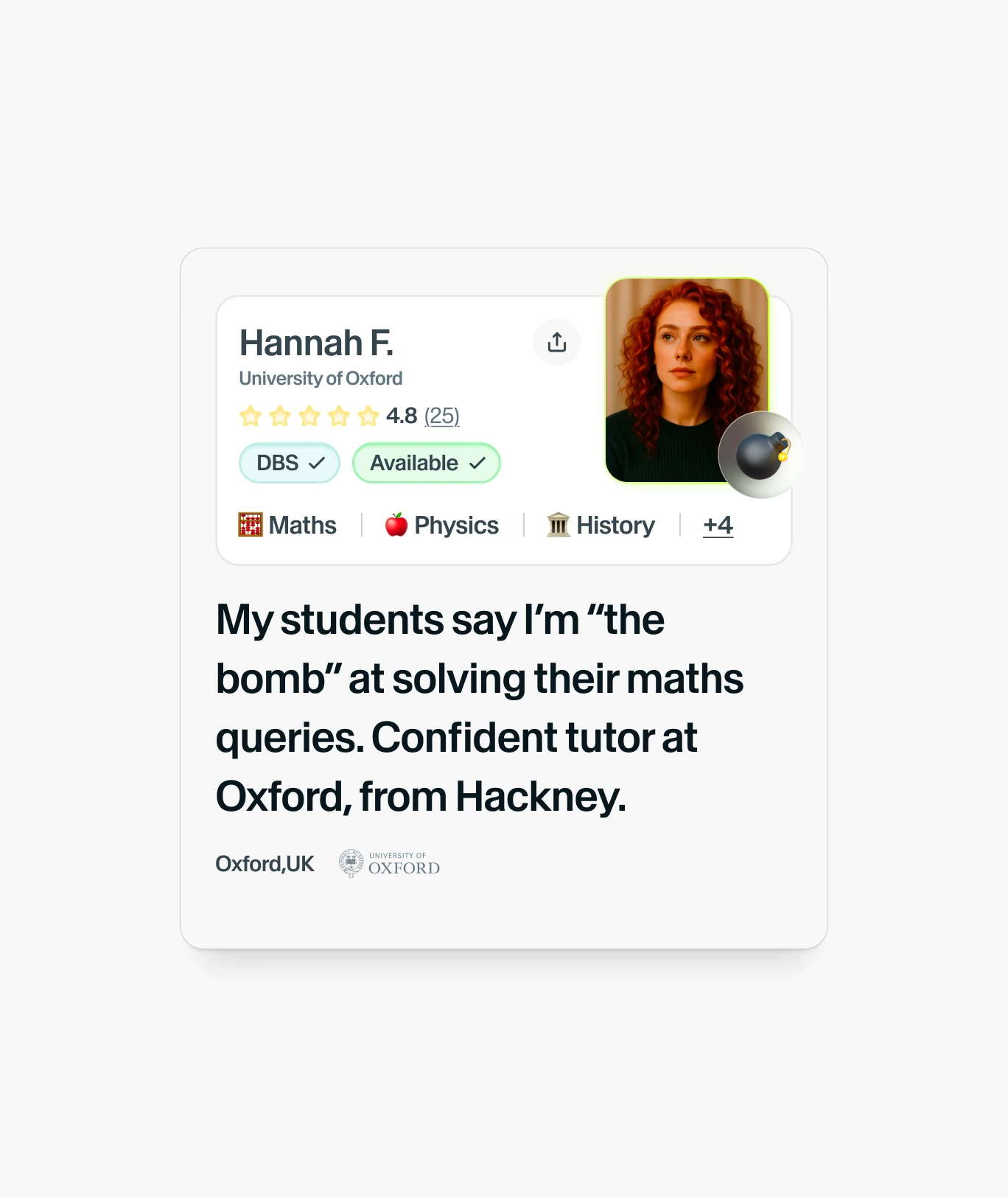
Tutoring sites make tutors look like listings: a photo, a price and a list of subjects. Portfolio sites like Contra and Read.cv make people look like people. Studia’s tutors needed both, credentials for the parent and personality for the student.
It took more than 50 versions, from a wireframe that read like a listing to a page that opens in the tutor’s own voice, then shows the proof a parent looks for. Hero tutors, the handful Studia planned to launch with, add past livestreams and a Subscribe card. Everyone else gets a free introduction call, which is what a new tutor needs most.
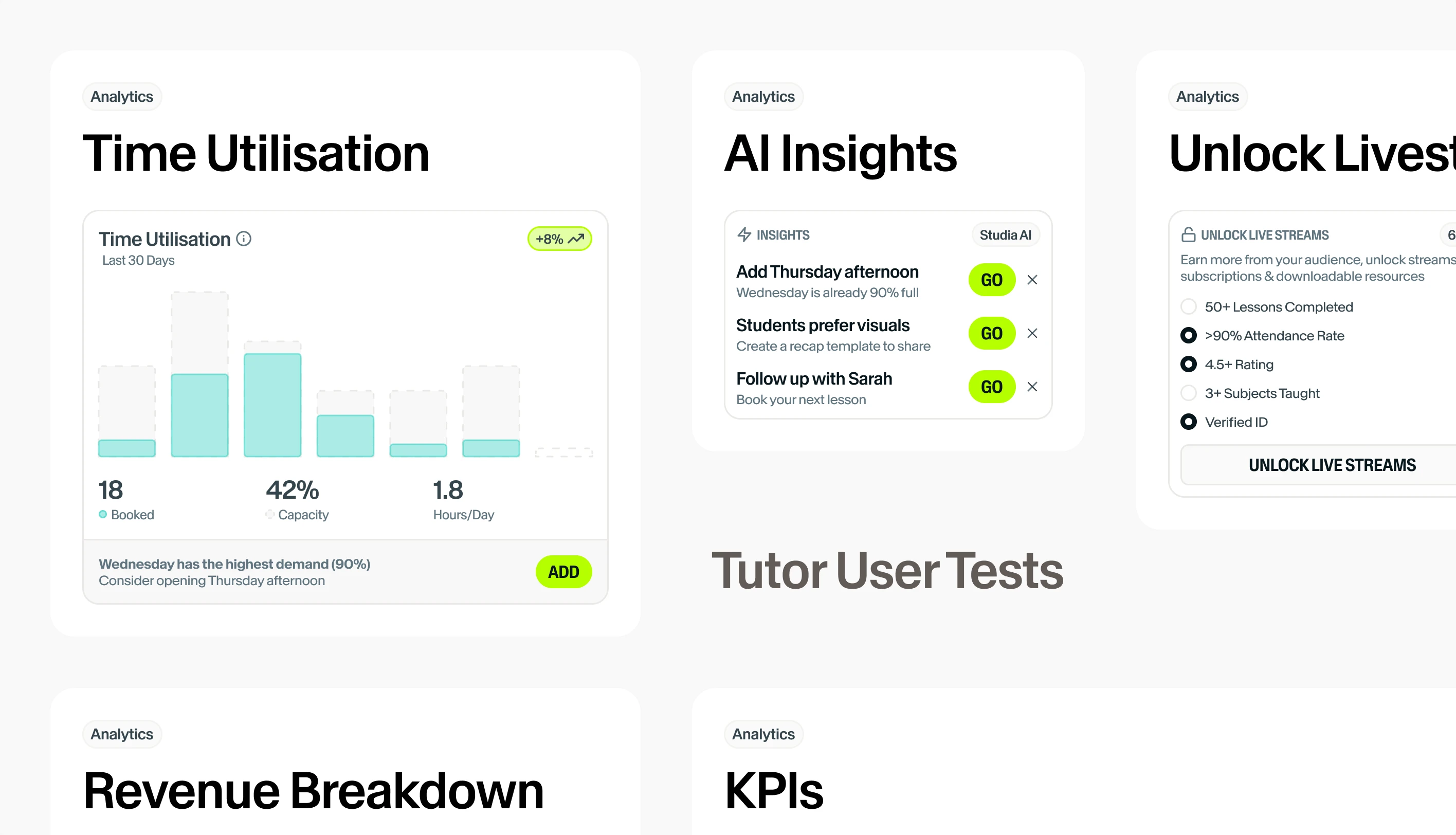
Before building the tutor dashboard, we put it in front of five Studia tutors for 45 minutes each. Some only taught one to one, others livestreamed too. We wanted to know what they understood, what they’d act on and what they’d ignore.
Outcome:
The calendar and income breakdown were what they looked at first, so they stayed. Time utilisation was measured against the wrong thing: their maximum availability, not the hours they actually wanted to teach. No-shows came out of the headline numbers. AI insights stayed, as long as each one showed why.
I worked most closely with Ben Lavender, Studia’s CPO, who’d worked on streaming at BBC iPlayer, LOVEFiLM and DAZN. Livestreams were the big promise, so we made them something you earn: 50 lessons, a 90% attendance rate, a 4.5 rating, three subjects and a verified ID.
Change:
In testing, tutors read the criteria as boxes to tick. They became a progress meter instead, so a new tutor can see how far they are from going live, and students only see tutors live once they’ve proved themselves one to one.
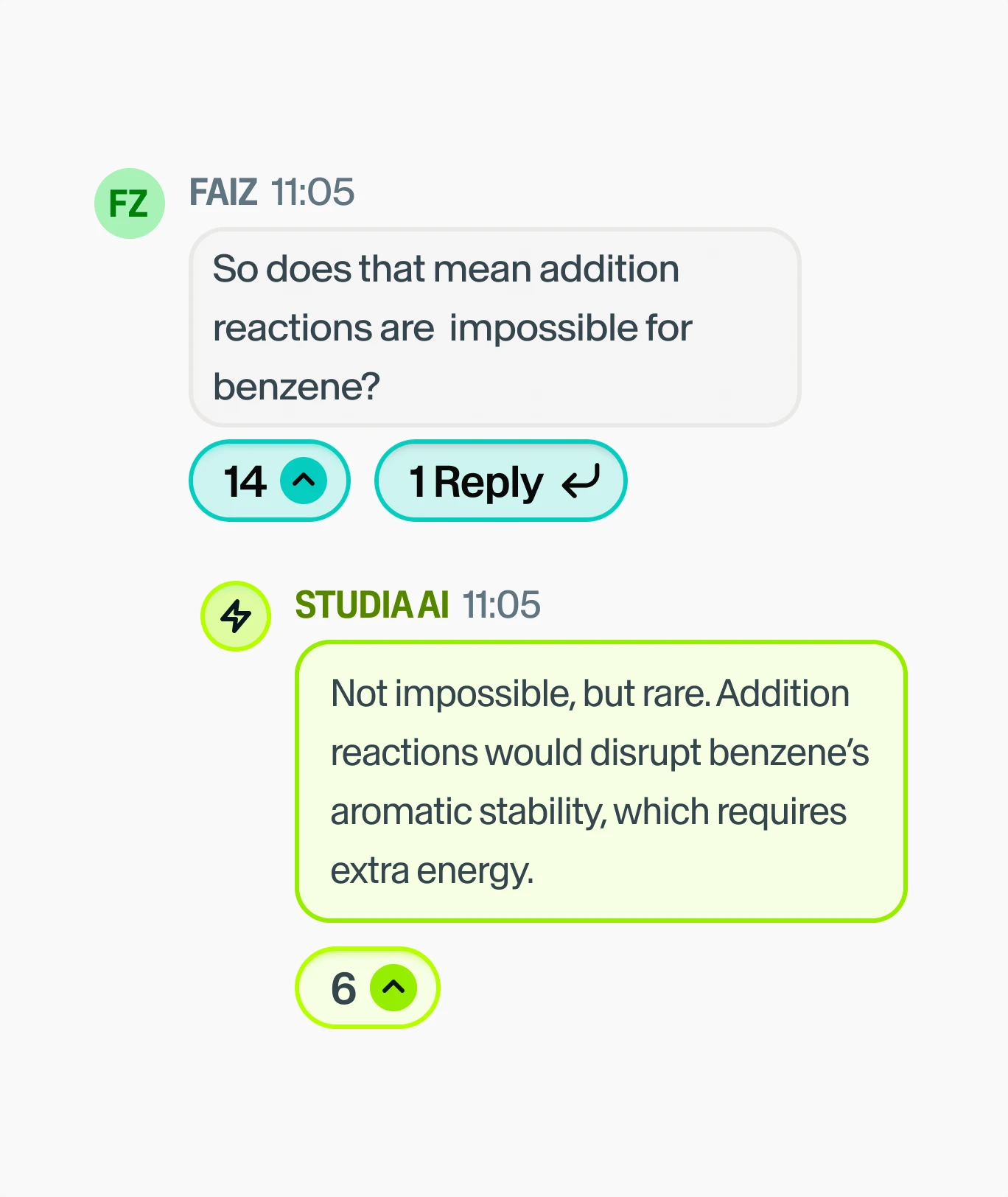
Studia AI worked inside the lesson rather than beside it. When a student asked a question in the chat, it could answer straight away, so the tutor didn’t have to stop teaching.
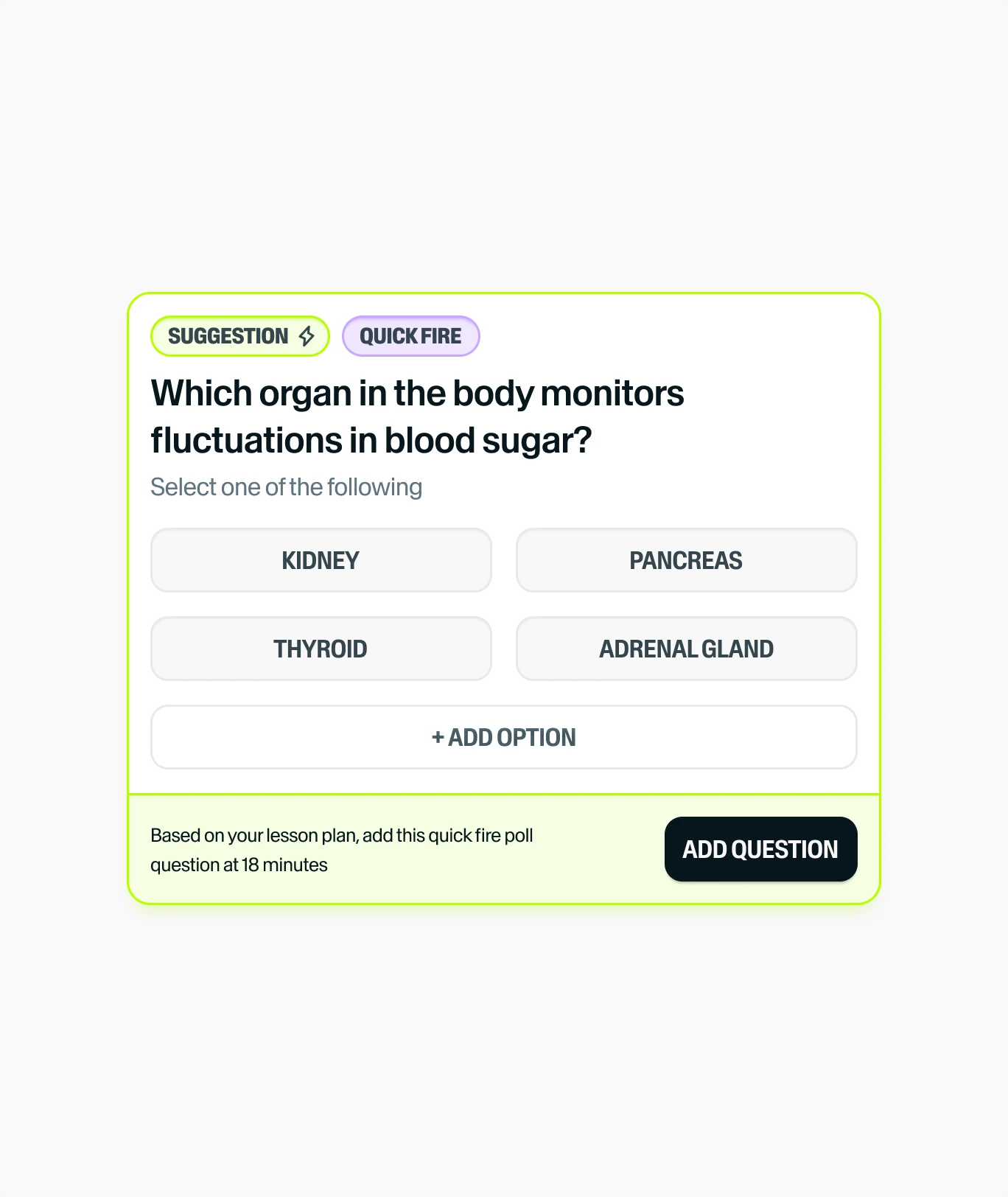
It also read the tutor’s lesson plan and suggested quick-fire polls, timed to the minute. Nothing went out until the tutor pressed Add Question.
Studia is live at studia.io. I wrapped up in January 2026 and handed over everything a tutor sees from application to first livestream, the student and parent dashboards, and the small design system underneath: Baikal type, calm neutrals and one neon green saved for Hero tutors and the things you can do.
Looking back:
The exciting idea was a creator platform for tutors. But parents only buy into that if the basics feel safe: vetting, honest profiles, and a dashboard that tells each person what to do next. That’s where most of my time went, and I’d start there again.

“Sean really gets into what users are actually trying to do, and asks the tough questions that make you rethink things you thought you’d figured out.”

Martin DreymannCo-founder & CTO
